


Hello, I’m Dr. Shin Dong-woo, the leading surgeon at Planet Plastic Surgery Clinic.
People discover facelift surgery through various avenues—a recommendation from a trusted friend, a late-night online search, or a casual conversation.
Lately, however, an increasing number of patients are walking into my consultation room completely captivated by a specific celebrity transformation in the media. When it comes to the public figure they mention most, one name stands out above all others: Hollywood legend Brad Pitt.
His recent public appearances stunned the world. For a man in his 60s, he displayed a remarkably sharp jawline and restored facial volume that seemed to turn back the biological clock. While he has never publicly confirmed undergoing any surgical work, international experts and fans alike agree on one thing: this level of structural rejuvenation goes far beyond good genes, skincare routines, or healthy living.
Today, I want to unpack this real-world example from a surgeon’s perspective to help you understand what advanced surgical facial rejuvenation can truly achieve—and the exact principles required to keep a face looking entirely natural.


Source:GettyimageKorea
Why Celebrity Red Carpet Transformations Stun the Public
What catches people’s attention about iconic celebrity transformations isn’t simply that their skin looks smoother. It is a fundamental alteration in the underlying architecture of the face.
As we cross into our 50s and 60s, a predictable anatomical shift occurs:
- The deep cheek fat pads slide downward and forward under gravity.
- The lower face grows heavy, creating prominent jowls (bulldog cheeks).
- The crisp, V-shaped jawline blurs seamlessly into the neck tissue.
Premium non-surgical lasers and injections are fantastic for surface-level refinement—smoothing fine lines and polishing skin texture. However, they cannot physically lift heavily descended muscle tissue against the force of gravity.
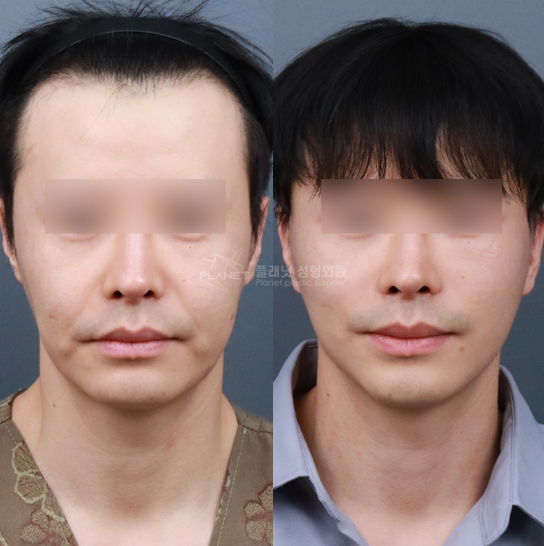
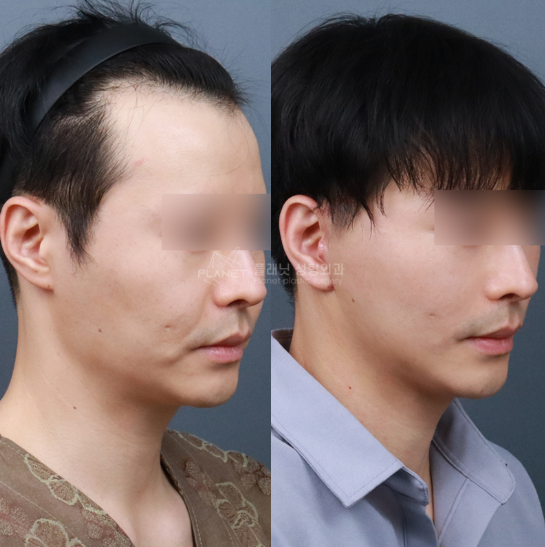
A surgical facelift operates at the level of the SMAS framework—the deep muscular and connective tissue envelope beneath the skin. By structurally releasing the retaining ligaments and repositioning this entire internal scaffolding, a surgeon does not merely tighten the skin; they re-model the lower face silhouette. This explains why a post-facelift jawline looks genuinely restructured, rather than just superficially refreshed.
The Masterclass Formula: How to Achieve a “Secret” Facelift
The celebrity facelifts that earn the highest praise share a distinct quality: the transformation is undeniable, yet nothing looks artificial, strained, or overdone. The person’s unique aura, expressions, and authentic character remain completely untouched.
Achieving this seamless, “stealth” result relies on two non-negotiable surgical principles:
1. Working at the Right Anatomical Depth (The Deep SMAS Plane)
If a surgeon attempts to fix advanced sagging by simply pulling the surface skin tighter, it results in the classic, unnatural “windblown” or “joker” look—where the corners of the mouth are pulled flat, and facial expressions look frozen.
True naturalness is achieved by operating beneath the surface. By separating and vertically shifting the deep SMAS layer, the heavy, sagged foundation is lifted first. The outer skin is then gently laid over this new, youthful foundation and closed under zero tension. The lower face looks relaxed, soft, and entirely natural.
2. Calibrating the Customized Lifting Vector
The direction and angle in which the deep tissue is repositioned—known as the lifting vector—makes the difference between a beautifully refreshed face and one that looks structurally altered in an odd way.
[Inverted/Horizontal Pull] ──> Flattens midface, widens cheekbones (Unnatural)
[Vertical/Diagonal Vector]   ──> Lifts jowls, slims jawline, restores youthful apex (Natural)
Every face has its own unique bone structures, proportions, and aging vectors. A generic, one-size-fits-all pull will distort the facial harmony. The lifting vector must be mathematically custom-built to match the patient’s baseline skeletal architecture.
At-a-Glance: Surface Maintenance vs. Structural Remodeling
| Comparison Metric | Non-Surgical Upkeep (Lasers/Injectables) | Advanced SMAS Facelift (Surgical) |
| Primary Target Layer | Epidermis and superficial dermis | Deep SMAS layer & retaining ligaments |
| Anatomical Action | Boosts collagen, tightens surface skin | Re-anchors and vertically lifts slipped muscle tissue |
| Jawline Definition | Minor tightening of loose skin | Definitive remodeling of jowls and jaw-to-neck boundary |
| Visual Result Mood | Refreshed skin texture; lines softened | Restored fundamental facial architecture and silhouette |
| Ideal Candidate Profile | Mild, early-stage surface laxity (30s–40s) | Moderate to advanced structural sagging (40s–60s+) |
Conclusion: Focus on Your Anatomy, Not the Celebrity Photo
A highly successful facelift is never about chasing someone else’s features or replicating a specific Hollywood star’s look. The true goal of facial rejuvenation is to safely and seamlessly restore your own face to an earlier, more vital version of itself—so flawlessly that people notice you look remarkably well, without ever guessing a surgical procedure took place.
While celebrity before-and-after photos are excellent for inspiration, I encourage you to step away from the screen. Your pattern of bone density, skin elasticity, and fat distribution is completely unique to you. Your rejuvenation roadmap must be custom-tailored to your exact coordinates.
If you are ready to explore a customized structural lift engineered specifically for your face, please leave a comment below or connect with us at Planet Plastic Surgery Clinic to schedule a comprehensive diagnostic session.
Thank you for your time.
Written by Dr. Shin Dong-woo, Leading Surgeon at Planet Plastic Surgery Clinic.
FAQ
A. The difference lies entirely in the surgical depth and tension. An unnatural, tight look occurs when a surgeon merely pulls the outer skin layer horizontally under high tension. A truly natural, “stealth” celebrity facelift is achieved by operating in the deep SMAS plane. By placing 100% of the lifting tension on the underlying muscle matrix, the surface skin can be draped softly and closed without any tension, preserving natural expressions.
A. For individuals in their late 40s to 60s who have developed structural jowls and loose skin along the jawline, yes, a facelift is the only definitive solution. While non-surgical lasers (like Ultherapy) can slightly firm the skin, they lack the mechanical power to release tight retaining ligaments and lift heavy, slipped fat pads. Only surgery can physically reposition these deep elements to re-carve a sharp jaw-to-neck boundary.
A. The lifting vector is the precise angle and direction in which a surgeon pulls and anchors the dropped facial tissues. If the tissue is pulled too horizontally, it flattens the midface and makes the cheekbones look unnaturally wide. A natural vector moves the deep tissues vertically and diagonally, tracing the exact opposite path of how the face naturally sags under gravity. This slims the lower face and restores a youthful contour.