



Hello, I’m Dr. Shin Dong-woo, the leading surgeon at Planet Plastic Surgery Clinic.
If you have been researching facelift surgery online, you have likely noticed a confusing discrepancy: the quoted operating times vary wildly from clinic to clinic. One hospital claims three hours is more than enough, while another advises you to expect five to six hours. This inconsistency is enough to make anyone wonder which end of the spectrum represents the safer, more thorough approach.
Let me give you a straightforward answer: there is no universal, cookie-cutter operating time for a premium facelift.
In my own practice, I generally advise patients to prepare for a four-hour timeline. However, that number stretches or compresses depending on your skin elasticity, the depth of structural correction required, and whether concurrent procedures are performed.
To clear up the uncertainty, let’s pull back the curtain and look at exactly where the time goes during a facelift—and why a deliberate, meticulous pace often guarantees a safer outcome and a faster recovery.
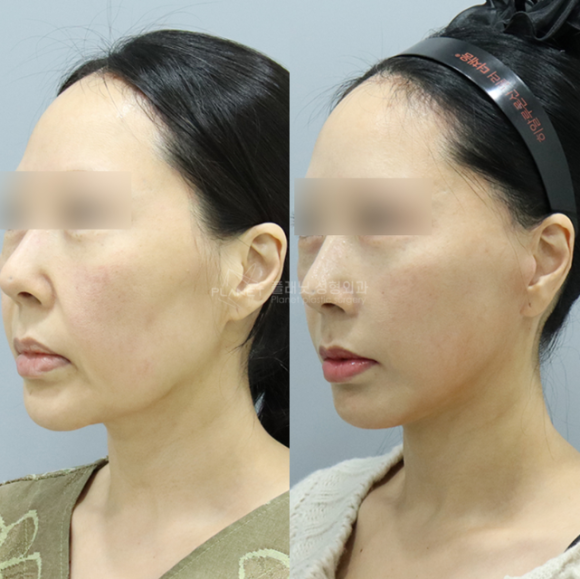
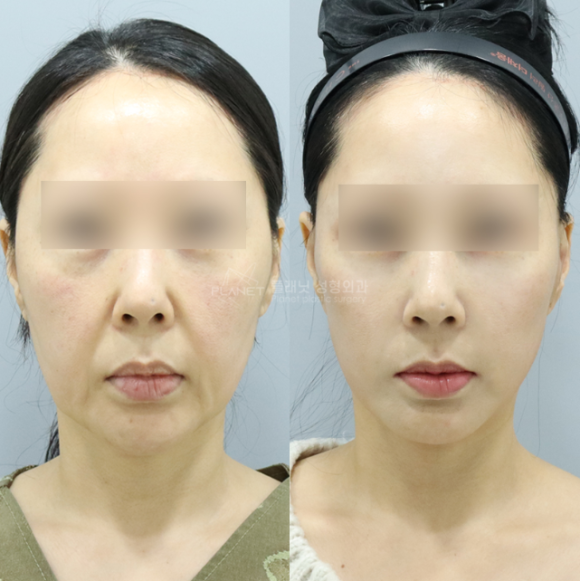
The 3 Pillars of Facelift Surgery: Where the Time is Invested
A premier structural lift cannot be rushed. The majority of a surgeon’s operating time is dedicated to three hyper-focused, technically demanding phases:
1. Anatomical Dissection ──> Separating skin & SMAS layers with nerve-mapping awareness
2. Complete Hemostasis   ──> Sealing each micro-vessel to prevent hematomas and bruising
3. Multi-Layered Closure  ──> Zero-tension suturing for an invisible scar line
🔍 Phase 1: Precision Anatomical Dissection
Dissection is the process of gently separating the outer skin from the deeper SMAS muscular framework along the correct embryological planes. Each tissue layer must be identified at a consistent depth across the entire midface and lower face. This phase demands immense focus because navigating even a millimeter off-course risks damaging delicate facial nerves. Precision takes time.
🩸 Phase 2: Complete Hemostasis (Bleeding Control)
Controlling bleeding is a continuous, rigorous process. As the surgeon advances through hyper-vascularized zones around the cheeks and jaw, micro-vessels naturally ooze. Leaving even minor pooling blood unaddressed can lead to a hematoma (blood clotting under the skin), which triggers severe swelling, bruising, and skin necrosis. A meticulous surgeon pauses to seal every single bleeding point before moving forward. This constant verification loop naturally extends the clock.
🪡 Phase 3: Zero-Tension Multi-Layered Closure
Closure is arguably the most time-intensive stage. We do not simply pull the skin and stitch it. The deep SMAS layer must be anchored securely first to bear the structural load. Then, the outer skin is draped smoothly and sutured tissue-by-tissue with microscopic precision. This careful spacing and meticulous handling are what prevent pixie ear deformities and ensure the final scar heals as a faint, invisible line.
The Recovery Myth: Many patients assume a longer surgery means a harder recovery with more swelling. In reality, tissue trauma and inadequate bleeding control dictate your recovery, not the clock. A careful, bloodless four-hour surgery results in a much smoother, faster return to daily life than a rushed, high-trauma two-hour job.
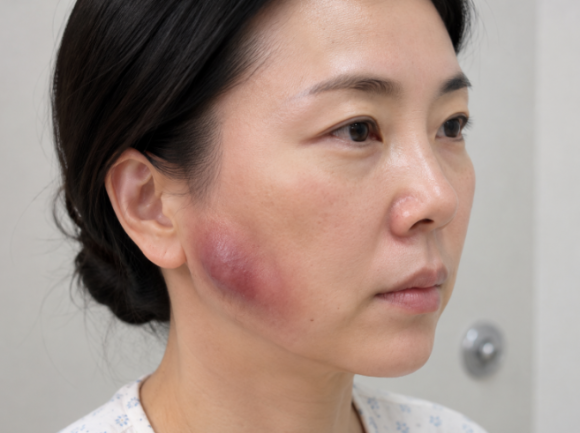
4 Common Structural Factors That Extend the Surgical Timeline
Beyond the standard steps, there are four individual anatomical variables that commonly add time to a facelift procedure:
- 1. Revision Surgery (Navigating Scar Tissue): If a patient is undergoing a secondary facelift, the natural anatomical planes are missing. The internal landscape is heavily compromised by fibrotic adhesions and scar tissue from prior surgeries or multiple thread lifts. Navigating this altered environment safely requires the surgeon to move at a slow, highly calculated pace.
- 2. Combining Multiple Procedures: Executing a Facelift alongside a Neck Lift, Submental Tightening, or Facial Fat Liposuction naturally adds operational steps. Each concurrent treatment advances the surgical clock honestly.
- 3. A Wider Treatment Zone: If a patient’s aging spans beyond the jawline into advanced neck laxity (creating a severe “turkey neck”), the surgical field must be expanded downward. Re-contouring the platysma muscle in the neck adds a significant, necessary chapter to the operating time.
- 4. Variable Intraoperative Blood Pressure: If a patient’s blood pressure fluctuates or shows higher-than-average tissue oozing during anesthesia, the surgeon must execute extra hemostasis checks. Patient safety dictates that we never close a wound until the surgical field is completely dry.
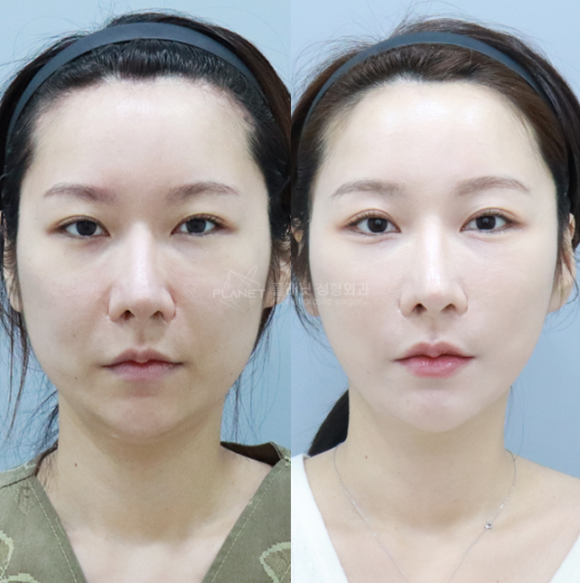
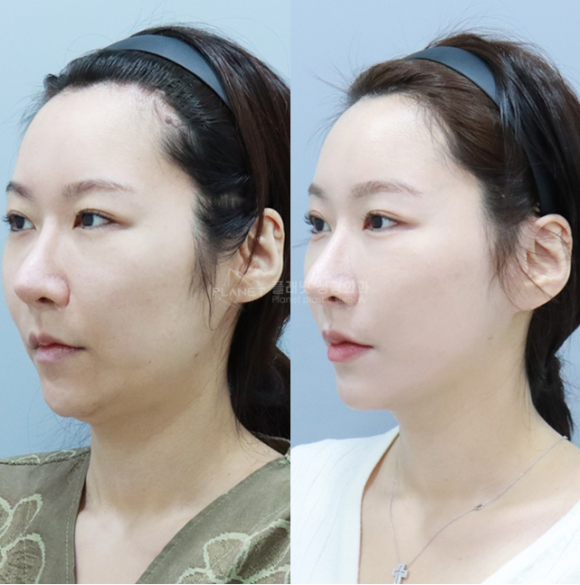
Head-to-Head: Rushed Surgery vs. Meticulous Precision
| Metric | Rushed Facelift (~2 Hours) | Meticulous Facelift (~4+ Hours) |
| SMAS Dissection | Blind, limited pocket mobilization | Wide, clear visual release of retaining ligaments |
| Hemostasis Control | Quick superficial burning | Step-by-step microscopic sealing of all micro-vessels |
| Closure Style | Single-layer high-tension skin pulling | Multi-layered, zero-tension anatomical suturing |
| Post-Op Complications | High risk of hematoma, skin puckering, wide scars | Minimized risk of bruising, smooth natural contours |
| Long-Term Longevity | Short-lived (Often relapses within 1–2 years) | Stable and durable (Typically lasts 10+ years) |
Conclusion: Value Thoroughness Over Speed
When choosing a plastic surgeon for facial rejuvenation, evaluating them based on how quickly they promise to finish is a dangerous metric. Speed should never be prioritized over anatomical safety and aesthetic longevity.
Look for a specialist who is committed to executing every layer of your dissection and closure with genuine care, regardless of how many minutes it adds to the clock.
If you are curious about how we map out a safe, bloodless facelift tailored specifically to your facial coordinates, please leave a comment below or reach out to us directly at Planet Plastic Surgery Clinic. We are always here to prioritize your safety above all else.
Thank you for reading.
Written by Dr. Shin Dong-woo, Leading Surgeon at Planet Plastic Surgery Clinic.